
How Many SME Engineering Companies Are Strategically Ready for AI in Their Sales and Marketing?
We ran a pilot survey at the Advanced Engineering Show to understand how engineering companies are structuring their sales and marketing - and where AI fits into the picture. What we found won't surprise those of us who've been inside these businesses: there's a fundamental disconnect between activity and strategy.
Here's what stood out:
⚪️ Marketing strategies lag behind sales
↳Despite marketing being the easier entry point for AI adoption
⚪️ AI is used more in marketing than sales
↳ But mostly for basic text generation, not strategic research or competitive analysis
⚪️ Personal AI use drives optimism
↳ Regular users were twice as likely to be excited about AI's potential
⚪️ The real barriers aren't technical
↳Skills and change management are holding companies back, not budget or tools
⚪️ Strategy drives alignment
↳Companies with formal sales and marketing strategies were 110% more likely to report clear alignment between the two functions
This data reveals something critical: engineering companies are treating AI like a new tool to bolt onto existing processes, rather than a catalyst for systematising how sales and marketing work together.
How Many SME Engineering Companies Are Strategically Ready for AI in Their Sales and Marketing?
We ran a pilot survey at the Advanced Engineering Show to understand how engineering companies are structuring their sales and marketing - and where AI fits into the picture. What we found won't surprise those of us who've been inside these businesses: there's a fundamental disconnect between activity and strategy.
Here's what stood out:
⚪️ Marketing strategies lag behind sales
↳Despite marketing being the easier entry point for AI adoption
⚪️ AI is used more in marketing than sales
↳ But mostly for basic text generation, not strategic research or competitive analysis
⚪️ Personal AI use drives optimism
↳ Regular users were twice as likely to be excited about AI's potential
⚪️ The real barriers aren't technical
↳Skills and change management are holding companies back, not budget or tools
⚪️ Strategy drives alignment
↳Companies with formal sales and marketing strategies were 110% more likely to report clear alignment between the two functions
This data reveals something critical: engineering companies are treating AI like a new tool to bolt onto existing processes, rather than a catalyst for systematising how sales and marketing work together.
Marketing Strategy & Resources
Marketing Strategy
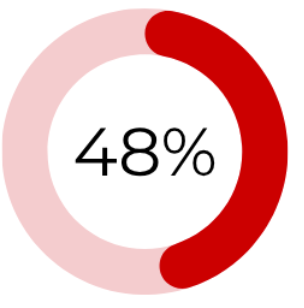
"Do you have a formal written Marketing Strategy?"
Engineering companies survey showed only 48% had a formal marketing strategy in place. Even at an exhibition - where attendance suggests higher-than-average marketing maturity - more companies operated without a formal strategy. This figure may likely sit somewhere closer to than the national average where
67% of SMEs lack a documented strategy. For engineering firms, this gap is particularly concerning given the complexity of their sales cycles and technical messaging requirements. See
correlations for more

Marketing Strategy
"Do you have a formal written Marketing Strategy?"
Engineering companies survey showed only 48% had a formal marketing strategy in place. Even at an exhibition - where attendance suggests higher-than-average marketing maturity - more companies operated without a formal strategy. This figure may likely sit somewhere closer to than the national average where
67% of SMEs lack a documented strategy. For engineering firms, this gap is particularly concerning given the complexity of their sales cycles and technical messaging requirements. See
correlations for more

Outside Marketing Assistance
"Did you use any outside help to create your marketing strategy?"
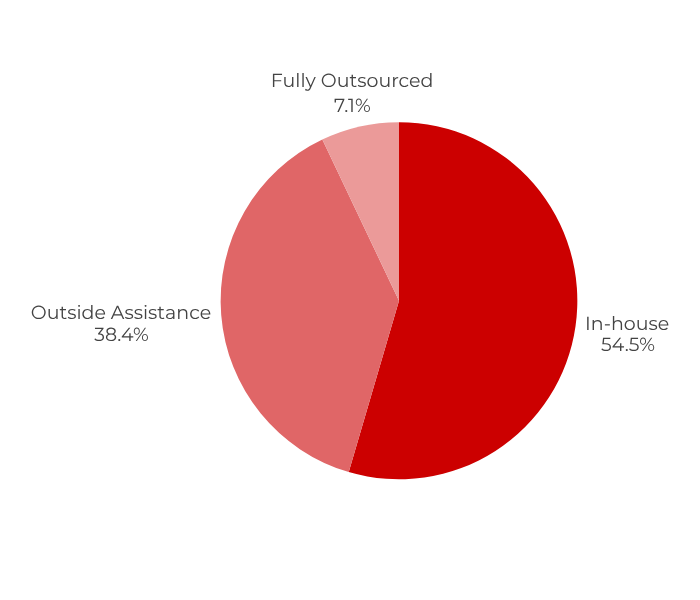
The majority (54%) developed their marketing strategy in-house, whilst 39% engaged outside support and just 7% outsourced the full strategy creation to an agency. This suggests a preference for maintaining control over strategic direction, though it raises questions about whether internal teams have sufficient expertise in modern marketing systems.
Outside Marketing Assistance
"Did you use any outside help to create your marketing strategy?"
The majority (54%) developed their marketing strategy in-house, whilst 39% engaged outside support and just 7% outsourced the full strategy creation to an agency. This suggests a preference for maintaining control over strategic direction, though it raises questions about whether internal teams have sufficient expertise in modern marketing systems.
AI Marketing Assistance
"Did you use any outside help to create your marketing strategy?"
The majority (54%) developed their marketing strategy in-house, whilst 39% engaged outside support and just 7% outsourced the full strategy creation to an agency. This suggests a preference for maintaining control over strategic direction, though it raises questions about whether internal teams have sufficient agility in marketing.

AI Marketing Assistance
"Did you use any outside help to create your marketing strategy?"
The majority (54%) developed their marketing strategy in-house, whilst 39% engaged outside support and just 7% outsourced the full strategy creation to an agency. This suggests a preference for maintaining control over strategic direction, though it raises questions about whether internal teams have sufficient expertise in modern marketing systems.
Strategy Updates
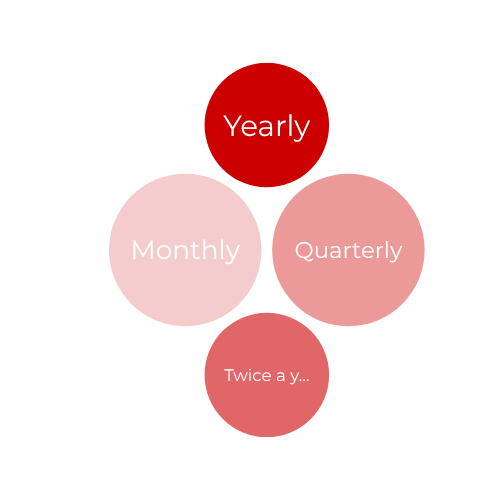
How often do you update your marketing strategy?
Updates were split relatively evenly: 30% monthly, 30% yearly, 20% quarterly, and 20% twice yearly. The high frequency of updates suggests possible confusion between strategy (direction) and plan (execution) - strategies shouldn't require monthly revision unless fundamental market conditions change.
Strategy Updates
How often do you update your marketing strategy?
Updates were split relatively evenly: 30% monthly, 30% yearly, 20% quarterly, and 20% twice yearly. The high frequency of updates suggests possible confusion between strategy (direction) and plan (execution)—strategies shouldn't require monthly revision unless fundamental market conditions change.
Engineering Marketing Teams
"Do you have a marketing team?"
65% reported having a marketing team - higher than expected for engineering SMEs, but this survey was conducted at an exhibition, suggesting respondents already prioritise marketing more than the broader sector. The true SME sector average is likely to somewhat lower.

Engineering Marketing Teams
"Do you have a marketing team?"
65% reported having a marketing team - higher than expected for engineering SMEs, but this survey was conducted at an exhibition, suggesting respondents already prioritise marketing more than the broader sector. The true SME sector average is likely to somewhat lower.

Outsourcing Marketing
"Do you outsource your marketing, and if so, to whom?"
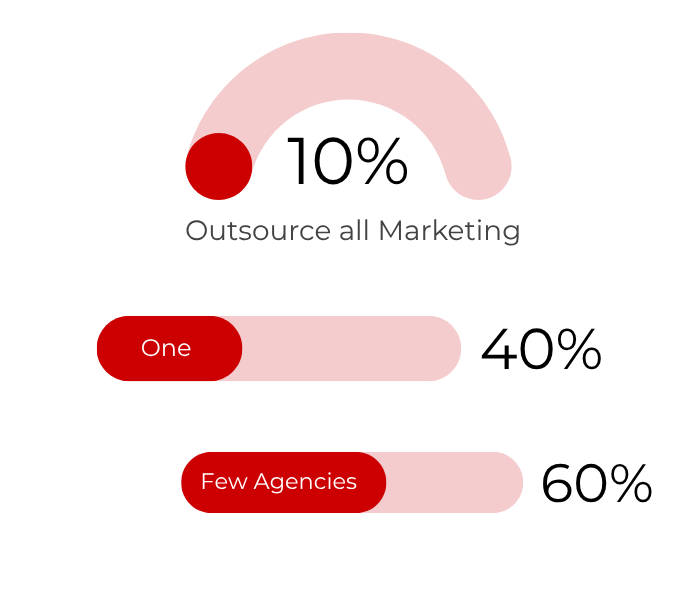
Only 10% outsource all marketing activity. Given that just 65% have marketing teams, this implies 25% of engineering companies distribute marketing responsibility internally without focused expertise or external support. Of those who do outsource, 60% use multiple agencies whilst 40% work with a single partner - no respondents reported using freelancers.
Outsourcing Marketing
"Do you outsource your marketing, and if so, to whom?"
Only 10% outsource all marketing activity. Given that just 65% have marketing teams, this implies 25% of engineering companies distribute marketing responsibility internally without focused expertise or external support. Of those who do outsource, 60% use multiple agencies whilst 40% work with a single partner - no respondents reported using freelancers.
Marketing Budget
"How much do you spend on marketing as a function of revenue?"
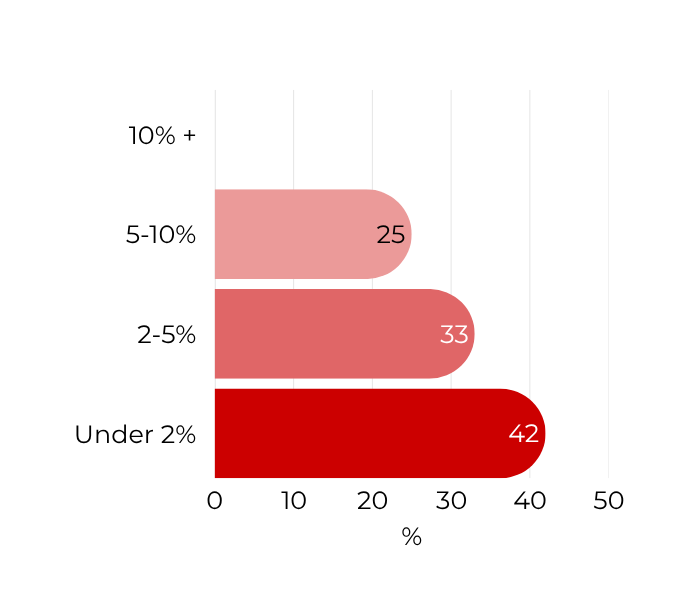
75% of respondents spend less than 5% of revenue on marketing - significantly below the 10% benchmark common in other sectors. This underinvestment directly correlates with the reactive, ad-hoc approach many engineering firms take to market development.

Marketing Budget
"How much do you spend on marketing as a function of revenue?"
75% of respondents spend less than 5% of revenue on marketing - significantly below the 10% benchmark common in other sectors. This underinvestment directly correlates with the reactive, ad-hoc approach many engineering firms take to market development.
What Next?
Do you want to drive better Strategy in your Marketing Team ?
Sales Strategy & Resources

Sales Strategy
"Do you have a formal sales strategy?"
Whilst 95% have a sales team, 40% operate without a formal sales strategy. This means approximately 35% of companies have sales teams working without documented strategic direction - relying instead on experience, relationships, and reactive selling.
Sales Strategy
"Do you have a formal sales strategy?"
Whilst 95% have a sales team, 40% operate without a formal sales strategy. This means approximately 35% of companies have sales teams working without documented strategic direction -relying instead on experience, relationships, and reactive selling.

Sales Updates
"How often do you update your sales strategy?"
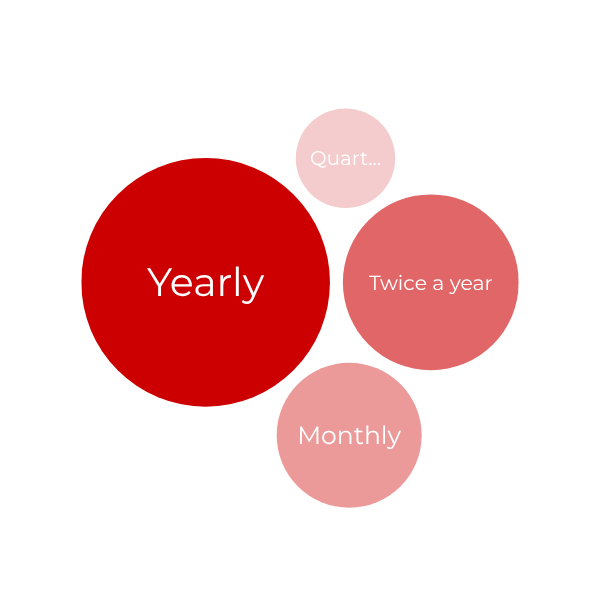
Sales strategies are updated less frequently than marketing strategies: 50% yearly, 25% twice yearly, 17% monthly, and 8% quarterly. This suggests sales strategy is viewed as more stable - though in rapidly changing technical markets, this approach may leave companies trailing competitors.
Sales Updates
"How often do you update your sales strategy?"
Sales strategies are updated less frequently than marketing strategies: 50% yearly, 25% twice yearly, 17% monthly, and 8% quarterly. This suggests sales strategy is viewed as more stable - though in rapidly changing technical markets, this approach may leave companies trailing competitors.
95%
Sales Resources
"Do you have a sales team?"
95% of businesses have a sales team -30% higher than those with marketing teams. This reflects the traditional engineering company structure where sales is considered essential and marketing is viewed as support rather than a strategic function.
Sales Resources
"Do you have a sales team?"
95% of businesses have a sales team - 30% higher than those with marketing teams. This reflects the traditional engineering company structure where sales is considered essential and marketing is viewed as support rather than a strategic function.
95%
Sales Assistance
"Do you use AI or sales agencies for assistance?"
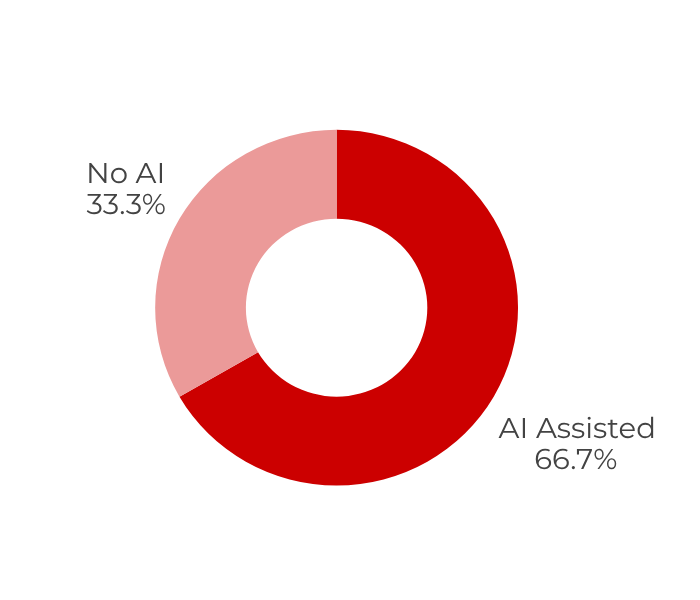
Only 5% of engineering companies seek external help for sales, compared to 38% for marketing. This suggests sales is seen as "easier to figure out internally", a dangerous assumption when buying behaviours and digital channels are evolving rapidly. AI adoption follows a similar pattern: 66% use it for marketing strategy, but just 33% for sales.

Sales Assistance
"Do you use AI or sales agencies for assistance?"
Only 5% of engineering companies seek external help for sales, compared to 38% for marketing. This suggests sales is seen as "easier to figure out internally" - a dangerous assumption when buying behaviours and digital channels are evolving rapidly. AI adoption follows a similar pattern: 66% use it for marketing strategy, but just 33% for sales.


Sales & Marketing Alignment
"Are sales and marketing clearly aligned?"
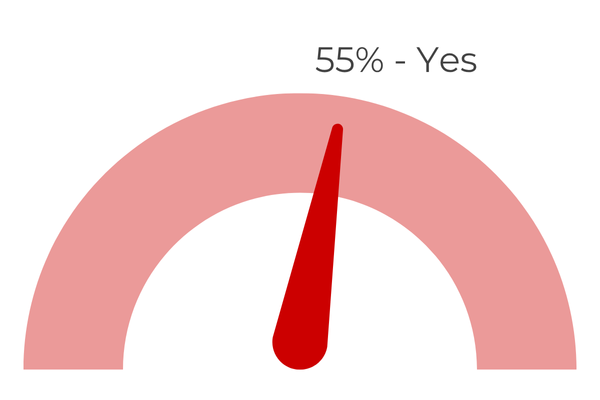
56% claim clear alignment between sales and marketing, whilst 44% admit its only "somewhat" aligned. Notably, no respondents selected "not aligned" - which may indicate either genuine progress or a reluctance to acknowledge the full extent of the disconnect.
Sales & Marketing Alignment
"Are sales and marketing clearly aligned?"
56% claim clear alignment between sales and marketing, whilst 44% admit it's only "somewhat" aligned. Notably, no respondents selected "not aligned" - which may indicate either genuine progress or a reluctance to acknowledge the full extent of the disconnect.
Where to from Now?
Do you want to drive better Strategy in your Sales Team ?
AI Usage and Sentiment in the Engineering Sector
AI Use at work
"How often do you use AI at work?"
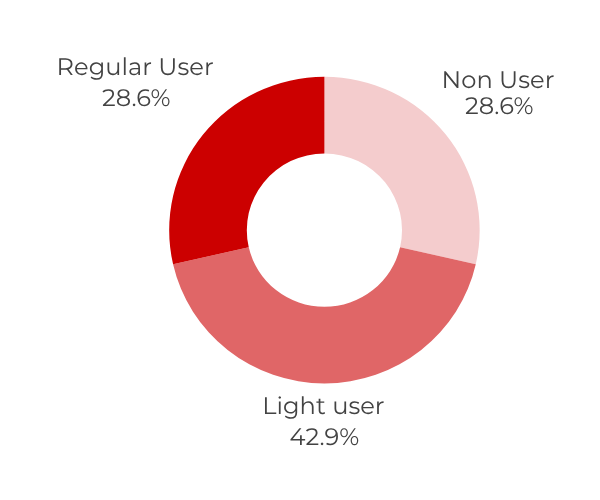
Over 70% are not using AI regularly - either not using it at all (28.5%) or only as light users (43%). No respondents identified as "power users" with advanced skills, suggesting AI adoption remains surface-level across the sector.

AI Use at work
"How often do you use AI at work?"
Over 70% are not using AI regularly - either not using it at all (28.5%) or only as light users (43%). No respondents identified as "power users" with advanced skills, suggesting AI adoption remains surface-level across the sector.
AI Adoption
"What is the level of AI adoption in your company?"
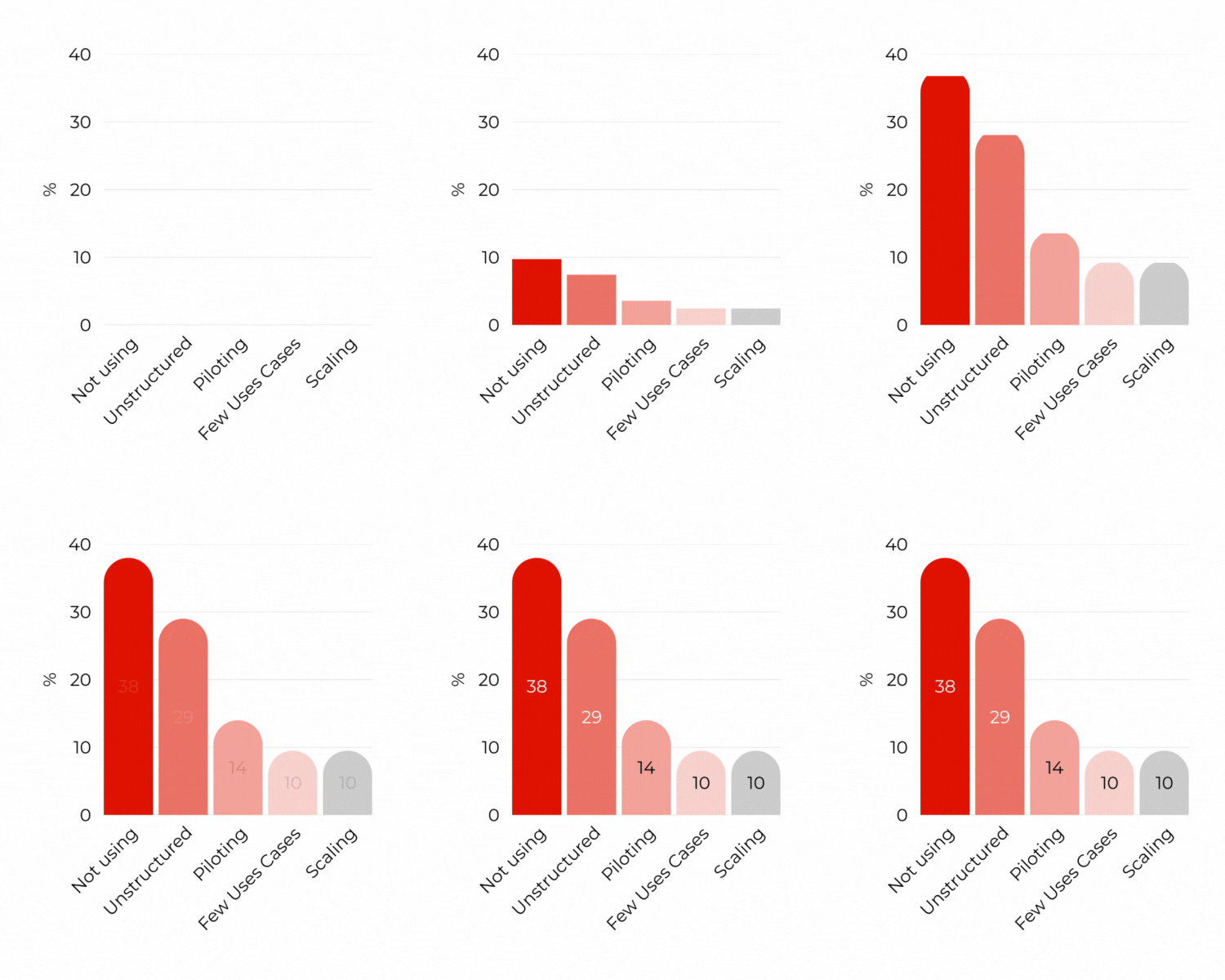
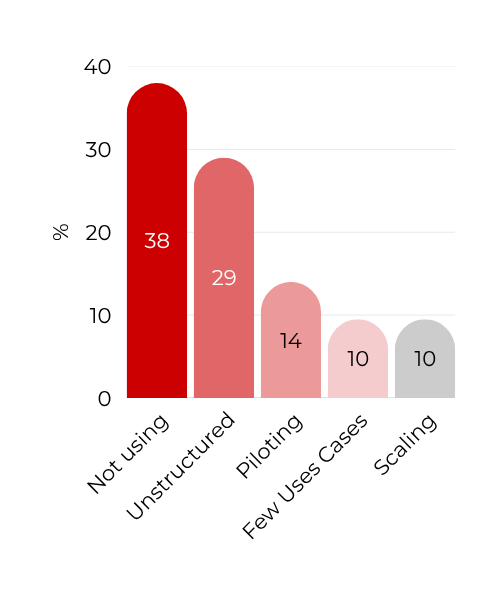
67% of organisations are either not using AI (38%) or engaged in "unstructured experimentation" (29%). Just 14% are piloting usage, 9.5% have operational use, and 9.5% have scaled operational use. This indicates most companies are still in exploration mode rather than systematic implementation. It is interesting how this affected by whether there s a marketing strategy in place - see more.
AI Adoption
"What is the level of AI adoption in your company?"
67% of organisations are either not using AI (38%) or engaged in "unstructured experimentation" (29%). Just 14% are piloting usage, 9.5% have operational use, and 9.5% have scaled operational use. This indicates most companies are still in exploration mode rather than systematic implementation. It is interesting how this affected by whether there s a marketing strategy in place - see more.
AI Applications
"What do you use AI for at work?"
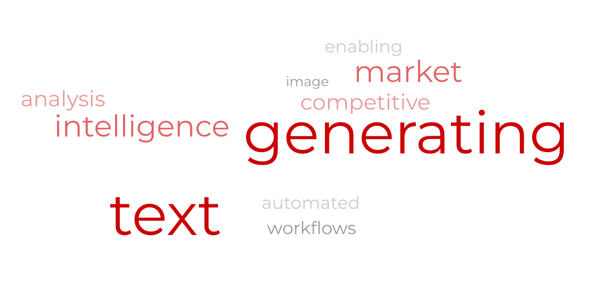
Of those using AI, 94% use it for generating text, 50% for marketing intelligence, 37% for competitive analysis, and 31% for images, videos, or automated workflows. Only 14% had ever run a deep research project - highlighting that AI is being used for surface-level tasks rather than strategic analysis.

AI Applications
"What do you use AI for at work?"
Of those using AI, 94% use it for generating text, 50% for marketing intelligence, 37% for competitive analysis, and 31% for images, videos, or automated workflows. Only 14% had ever run a deep research project - highlighting that AI is being used for surface-level tasks rather than strategic analysis.

AI Sentiment
"How do you feel about AI?"
63% of people surveyed in engineering are "cautiously optimistic," with roughly half that number (around 32%) feeling excited and optimistic. No respondents selected "worried and fearful," though 5% expressed concern. The cautious majority suggests people recognise AI's potential but lack confidence in implementation. See how this correlates with AI usage.
AI Sentiment
"How do you feel about AI?"
63% of people surveyed in engineering are "cautiously optimistic," with roughly half that number (around 32%) feeling excited and optimistic. No respondents selected "worried and fearful," though 5% expressed concern. The cautious majority suggests people recognise AI's potential but lack confidence in implementation. See how this correlates with AI usage.
AI Barriers
"What are the barriers to AI adoption within your company?"
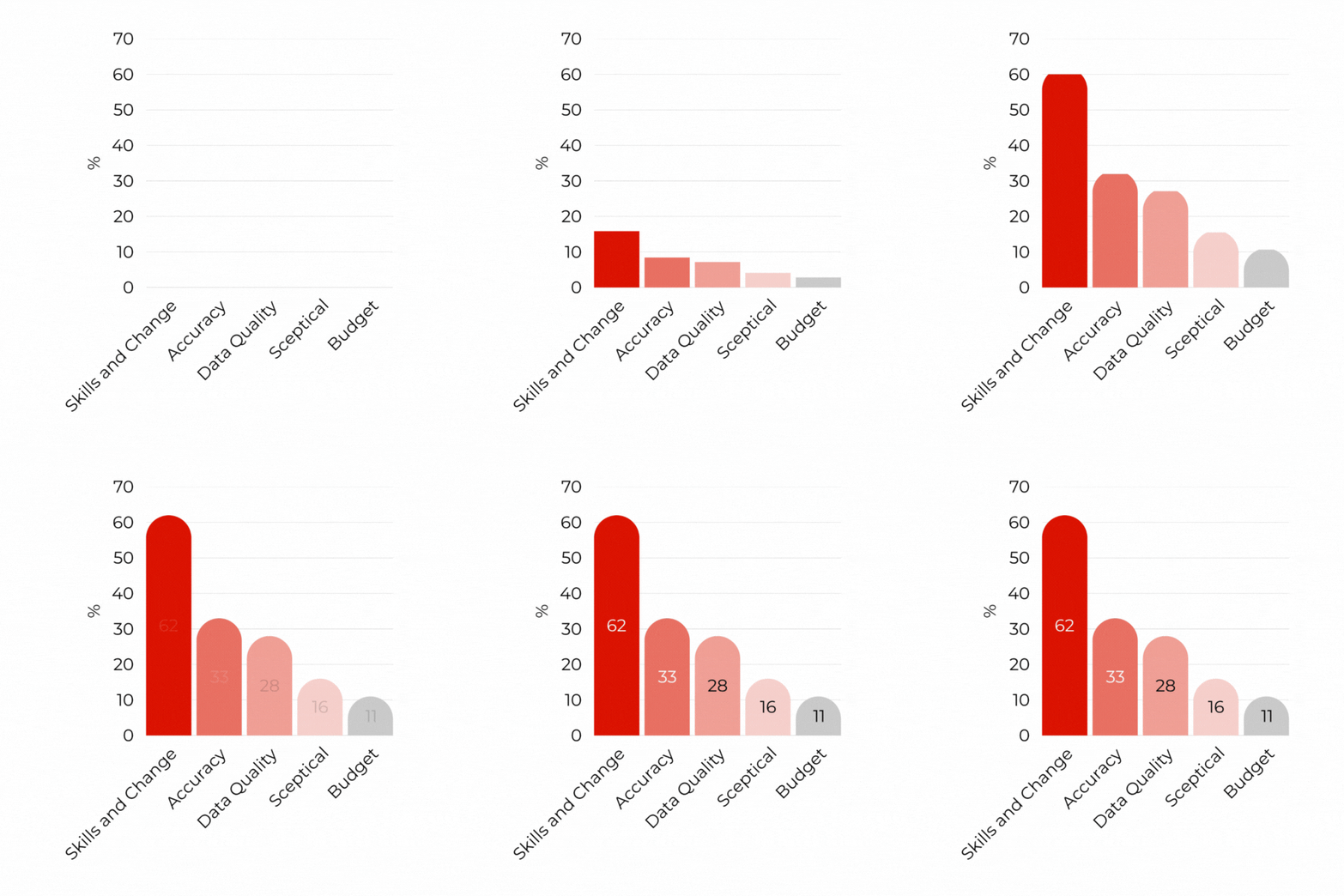
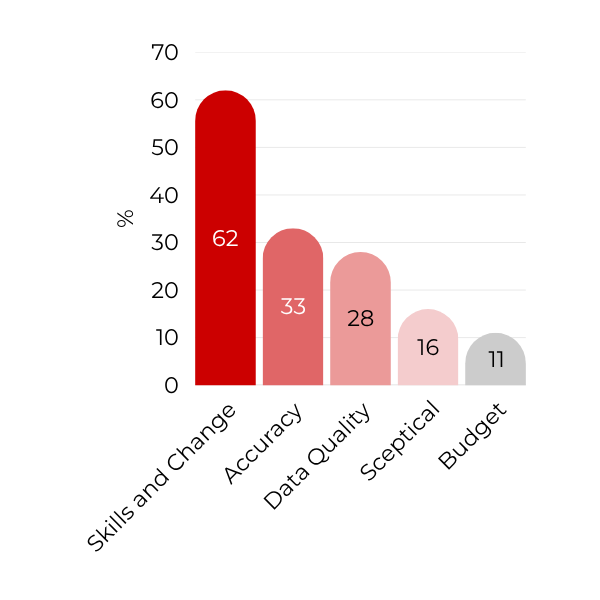
Skills and change management topped the list at 61%, followed by accuracy concerns (33%), data quality (28%), and scepticism about AI (17%). Budget (11%), governance and compliance (6%), and tool overload (6%) featured far less -confirming that barriers are human and organisational, not financial or technical.
AI Barriers
"What are the barriers to AI adoption within your company?"
Skills and change management topped the list at 61%, followed by accuracy concerns (33%), data quality (28%), and scepticism about AI (17%). Budget (11%), governance and compliance (6%), and tool overload (6%) featured far less - confirming that barriers are human and organisational, not financial or technical.
Lagging Behind?
Do you want to make better use of AI in Sales and Marketing Team before you left behind?
Correlations
Strategy vs Alignment
Is there a correlation between sales and marketing strategy and alignment?
Companies with formal sales and/or marketing strategies were 110% more likely to report clear alignment between the two functions, compared to those who felt alignment was only "somewhat" present. Strategy creates a shared language and direction - the foundation for joined-up revenue generation.

Strategy vs Alignment
Is there a correlation between sales and marketing strategy and alignment?
Companies with formal sales and/or marketing strategies were 110% more likely to report clear alignment between the two functions, compared to those who felt alignment was only "somewhat" present. Strategy creates a shared language and direction - the foundation for joined-up revenue generation.


Strategy vs AI Adoption
How are companies who have a marketing strategy adapting with AI?
Companies with a formal marketing strategy in place were 40% more likely to have piloting or operational use of AI within the business. This suggests marketing strategy is driving AI adoption in engineering firms - it provides the structure and clarity needed to identify where AI adds value.
Strategy vs AI Adoption
How are companies who have a marketing strategy adapting with AI?
Companies with a formal marketing strategy in place were 40% more likely to have piloting or operational use of AI within the business. This suggests marketing strategy is driving AI adoption in engineering firms - it provides the structure and clarity needed to identify where AI adds value.

AI Use & Sentiment
Does using AI more change the way we feel about it?
Regular AI users were more than twice as likely to be excited about AI rather than cautiously optimistic or concerned. Experience builds confidence and demonstrates that AI anxiety decreases through hands-on use, not theory.

AI Use & Sentiment
Does using AI more change the way we feel about it?
Regular AI users were more than twice as likely to be excited about AI rather than cautiously optimistic or concerned. Experience builds confidence- and demonstrates that AI anxiety decreases through hands-on use, not theory.

What Next?
Do you want some help with your Sales and Marketing?
Key Take-Aways
Why This Matters for Engineering Companies
The basics still aren't in place. Despite all the noise about AI, most engineering companies haven't nailed the fundamentals: formal strategies, aligned sales and marketing, and systematic approaches to revenue generation. This isn't just a marketing problem -it's a business control problem. Here's what the data tells us:
Strategy drives everything
Companies with formal strategies are 110% more likely to achieve sales and marketing alignment, and 40% more likely to adopt AI operationally
The barrier isn't budget or tools
It's skills and change management (61% cited this as the primary blocker)
Personal use changes sentiment
Regular AI users are twice as likely to be excited about its potential, not fearful
Marketing may be the AI entry point
66% Use AI for marketing strategy vs 33% for sales, making it the natural starting point for organisational adoption
Engineering firms underinvest in Marketing
75% spend less than 5% of revenue on marketing, well below the 10% benchmark, which directly impacts pipeline predictability
“Stef's ability to analyse market trends and translate them into actionable strategies is truly commendable. He is always ready to lend a hand, whether it involves brainstorming new concepts or troubleshooting challenges. His contributions have not only driven success in our projects but have also helped in fostering a collaborative and forward-thinking environment.”
- Kim Singer, TFC Europe
What Next?
Do you want some help with your Sales and Marketing?
What Engineering Companies Should Do Now?
If you're an MD, Commercial Director, or Operations Director reading this, here's the practical path forward:
🔴 Build the foundation first
↳ Create a formal, written sales and marketing strategy—not a plan, a strategy. Define your ICP, positioning, and how the two functions work together as one revenue engine.
↳ Document your processes. If your sales and marketing activities aren't systematised, AI will just accelerate chaos.
🔴 Start with marketing to pilot AI
↳ Marketing is the easiest entry point—begin with text generation, competitive analysis, and marketing intelligence before expanding to sales.
↳ Run small pilot projects with willing team members. Prove ROI on time savings and output quality before scaling.
🔴 Invest in skills and change management
↳ Train your people. The barrier isn't technology—it's capability. Allocate budget to upskill teams on AI tools and systematic marketing approaches.
↳ Address change resistance early. Use quick wins to build confidence and shift sentiment from cautious to excited.
🔴 Align sales and marketing through strategy
↳ Companies with formal strategies are 110% more likely to achieve alignment. Use your strategy as the blueprint for how both functions contribute to pipeline and revenue.
↳ Implement shared metrics, regular alignment meetings, and connected systems (CRM, marketing automation) so both teams see the same pipeline data.
🔴 Treat AI as a systems enabler, not a silver bullet
↳ AI doesn't replace strategy—it accelerates execution of a good one. If your sales and marketing are broken, AI will just make them fail faster.
↳ Focus on operational use cases: lead scoring, personalised outreach, competitive research, and content production. Avoid "unstructured experimentation"—systemise your approach.
The engineering companies that will win in the next five years aren't the ones with the flashiest AI tools—they're the ones who engineer their revenue systems with the same precision they apply to their products.
Strategy first, systems second, AI third.
What Engineering Companies Should Do Now?
If you're an MD, Commercial Director, or Operations Director reading this, here's the practical path forward:
🔴 Build the foundation first
↳ Create a formal, written sales and marketing strategy—not a plan, a strategy. Define your ICP, positioning, and how the two functions work together as one revenue engine.
↳ Document your processes. If your sales and marketing activities aren't systematised, AI will just accelerate chaos.
🔴 Start with marketing to pilot AI
↳ Marketing is the easiest entry point—begin with text generation, competitive analysis, and marketing intelligence before expanding to sales.
↳ Run small pilot projects with willing team members. Prove ROI on time savings and output quality before scaling.
🔴 Invest in skills and change management
↳ Train your people. The barrier isn't technology—it's capability. Allocate budget to upskill teams on AI tools and systematic marketing approaches.
↳ Address change resistance early. Use quick wins to build confidence and shift sentiment from cautious to excited.
🔴 Align sales and marketing through strategy
↳ Companies with formal strategies are 110% more likely to achieve alignment. Use your strategy as the blueprint for how both functions contribute to pipeline and revenue.
↳ Implement shared metrics, regular alignment meetings, and connected systems (CRM, marketing automation) so both teams see the same pipeline data.
🔴 Treat AI as a systems enabler, not a silver bullet
↳ AI doesn't replace strategy—it accelerates execution of a good one. If your sales and marketing are broken, AI will just make them fail faster.
↳ Focus on operational use cases: lead scoring, personalised outreach, competitive research, and content production. Avoid "unstructured experimentation"—systemise your approach.
The engineering companies that will win in the next five years aren't the ones with the flashiest AI tools—they're the ones who engineer their revenue systems with the same precision they apply to their products.
Strategy first, systems second, AI third.
What Next?
Do you want to make better use of AI in Sales and Marketing Team before you left behind?
How this survey was conducted
Survey Data
How this data was collected and analysed
This survey was conducted at the Advanced Engineering Show in Birmingham, UK, on 5th November 2025. We surveyed 21 participants from SME-sized engineering companies across various sub-sectors. The objective was a quick temperature gauge on sales and marketing strategies and AI adoption within the engineering field. Results are anonymised.

Values
We believe strongly that shared values in business relationships are vital. The values we founded the company on;
- Authenticity
- Simplicity
- Education
- Collaboration
- Results
- Fun
- Learning
- Structured approach
AI Assisted, Delivered by Experts